Why Undated Planners Work Better for ADHD Brains
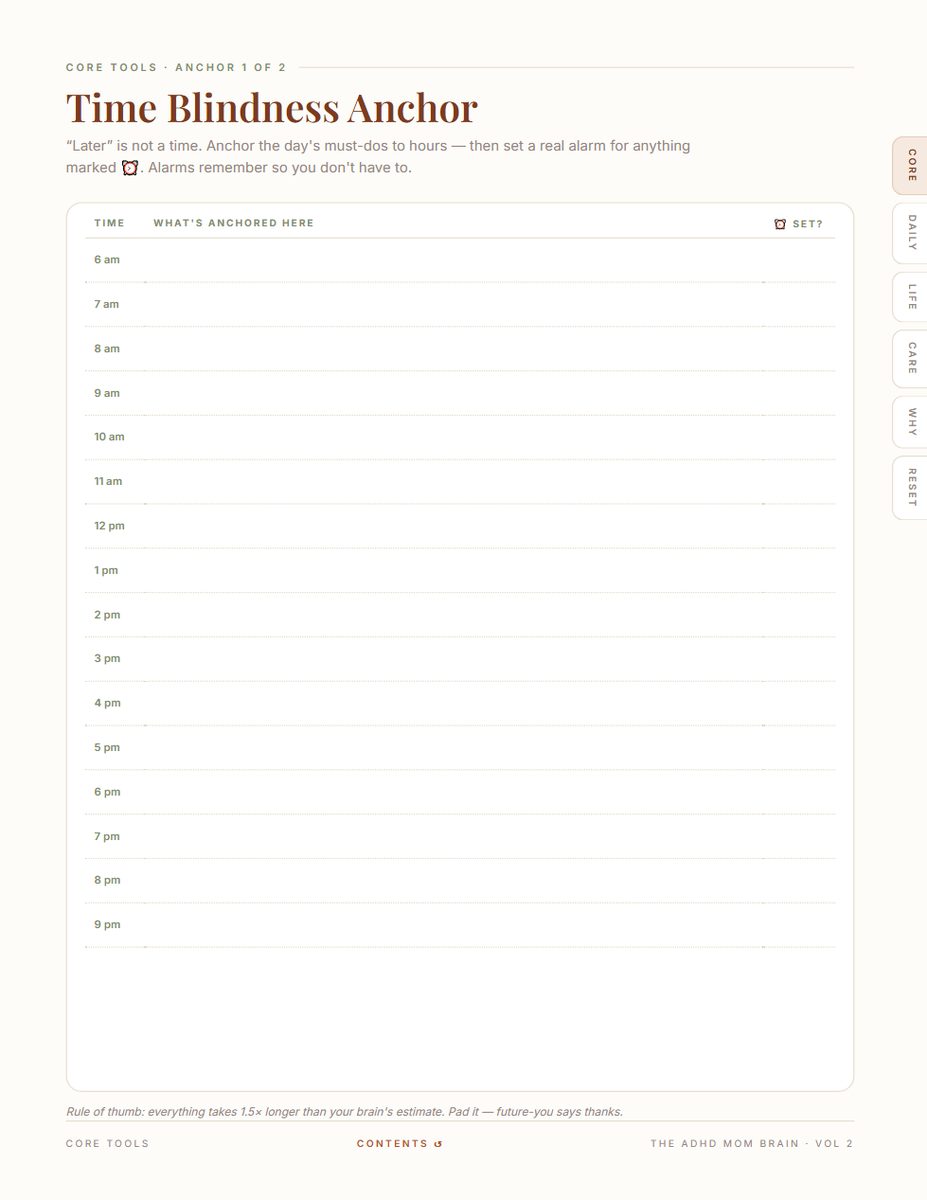
Here's a pattern almost every ADHD adult knows: buy a beautiful planner in January, use it faithfully for eleven days, miss a Tuesday, and never open it again. By March it radiates guilt from the shelf. The problem isn't you, it's the dates.
Dated planners keep score. ADHD brains keep shame.
A dated planner turns every skipped day into a visible record of "failure." For a brain that already battles rejection sensitivity and self-criticism, those empty date boxes stop being neutral paper, they become evidence. And because ADHD motivation runs on interest and reward rather than obligation, a planner that greets you with guilt is a planner your brain will avoid. Avoidance compounds: the more days missed, the bigger the "catch-up" feels, until abandoning it entirely is genuinely the most sensible option left.
Consistency is the wrong goal
ADHD attention naturally works in seasons and bursts, intense use for two weeks, nothing for one, back again. That's not a bug to fix with discipline; it's how interest-based nervous systems operate. The planner that survives is the one that costs nothing to return to. An undated page doesn't care that you skipped a week. You open it, write today's date, and you're current, zero catch-up debt, zero shame tax.
What to look for in an ADHD-friendly planner
- Undated everything, daily pages, weekly spreads, trackers
- A tiny daily commitment, three priorities, not thirty lines
- Pre-labeled sections, blank pages create decision paralysis; labeled boxes remove it
- A parking lot for interruptions, so the planner works with a jumpy brain instead of demanding a focused one
- Explicit permission to skip, it sounds silly until you feel the difference